
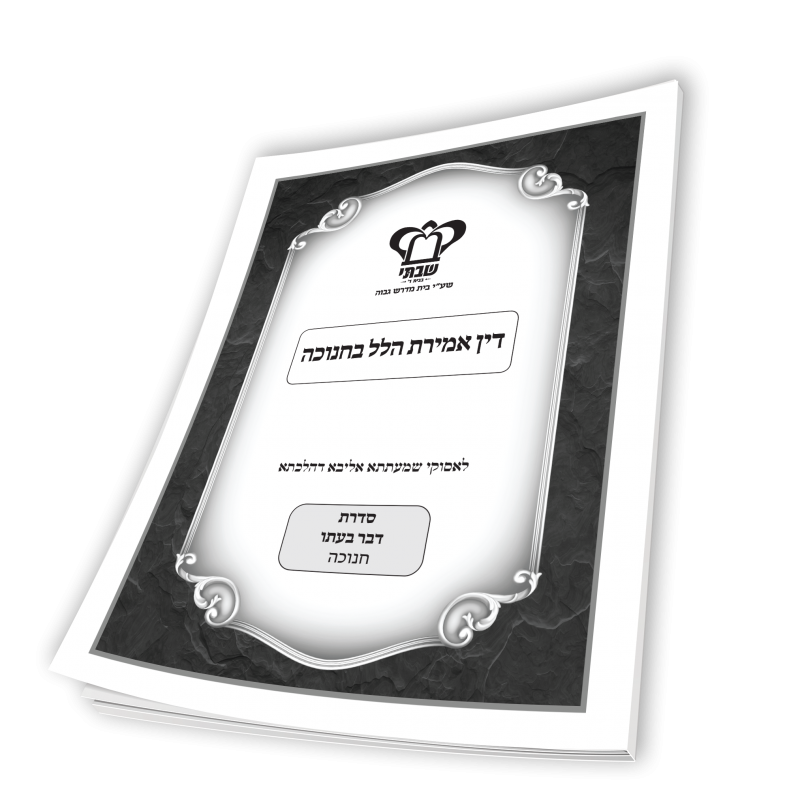

The Gemara defines the Yom Tov of Chanuka as a day of Hallel
and Hoda’ah. Our previous SUGYA addressed
and discussed the obligation of Hoda’ah.
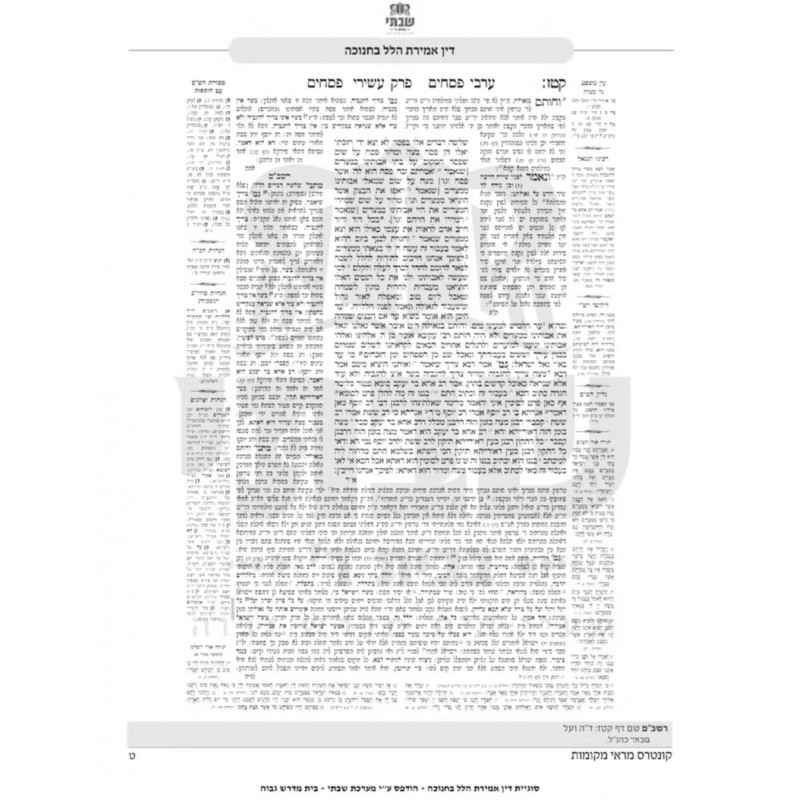
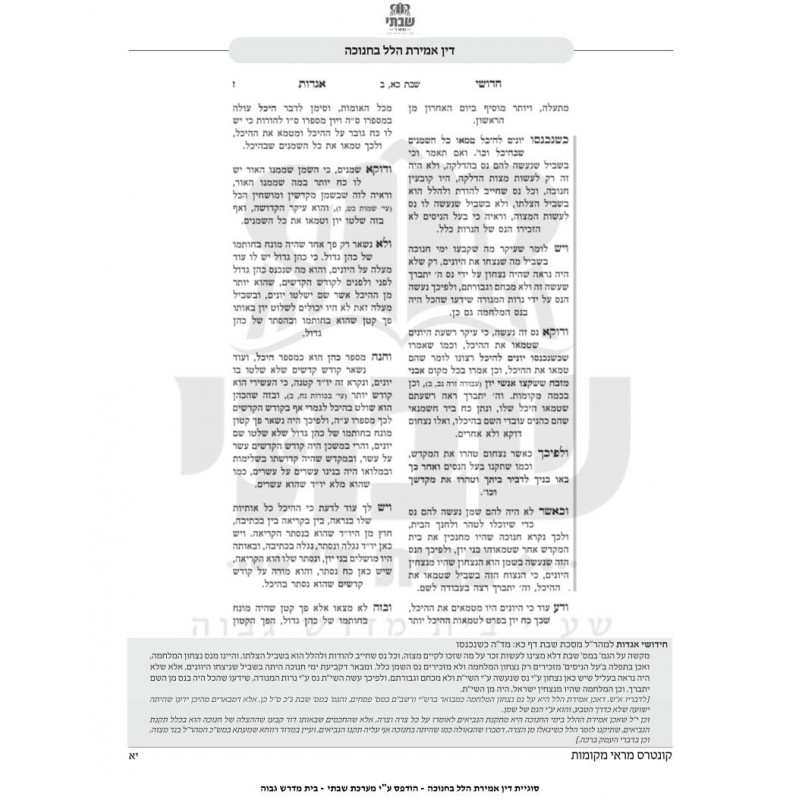
This next Sugya focuses on the obligation of Hallel. While the definition of Hallel is clear (the recitation
of Hallel), the nature of the Chanuka Hallel
is debated by the Rishonim, and ultimately has ramifications in the contemporary
Poskim.
Chanuka is an interesting phenomenon – it is the only time
that the whole Hallel is said, even though it is not a bona fide Yom Tov. What is the significance of this Hallel? Do we say Hallel in fulfillment of the Gemara’s
stipulation that there be a “day” of Hallel” or is it an expression of gratitude
for the miracles that occurred (similar to a Birkas Hoda’ah that is said when one
is saved from a major catastrophe).
We begin this Sugya with a general understanding of the
concept of Hallel on regular Yomim Tovim, and why some differ from others.
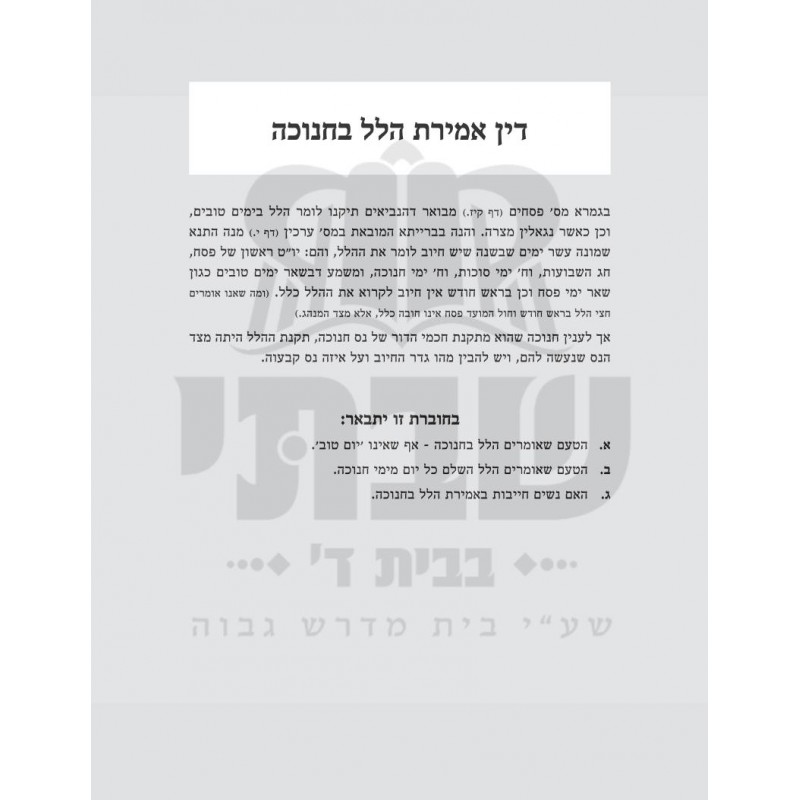
Some of the questions discussed:
- ·
Why do we say Hallel even though
it’s not a real Yom Tov?
- ·
Why do we say the full Hallel
on Chanuka?
- ·
Are women equally obligated
in Hallel, or is it a time-related Mitzvah, from which women are generally exempt?
- Was the Takana of Hallel instituted because of the miracle of the oil or the victory in the war?
| Booklet Details | |
| Pages | 45 |
| Published | 5786 |
| Series | Chanuka |
דין אמירת הלל בחנוכה
- Product Code: 310
- Availability: In Stock
Available Options
Related Products

ברכה על הידור מצוה וגדר קיום מצות נר חנוכה למהדרין
Please click here for a revised and expanded version of this kuntres...
חיובי הודאה ושמחה בחנוכה
Chanukah is about the celebration of two miracles. One is the neis of the Menorah, and the oth..

חיוב קיום מצוות דרבנן-לאו דלא תסור
Chanuka is unique in that it is a Yom Tov that was completely instituted by the Chachamim, from begi..